Understanding Safety Railings: Importance and Standards
Safety railings are essential features in residential and commercial buildings that ensure the protection of individuals from potential falls and accidents. These railings serve as a barrier to prevent accidental slips or tumbles, especially in high-risk areas such as staircases, balconies, and elevated platforms. In a region like Fujairah, where the coastal climate can challenge the durability of outdoor materials, choosing the right type of safety railings is critical to long-lasting safety and aesthetics. When exploring options, Safety railings can offer comprehensive insights into both aesthetic appeal and functional requirements.
What Are Safety Railings?
Safety railings are structural barriers designed to prevent people from falling off edges, such as staircases, balconies, decks, and other elevated areas. Typically constructed from various materials including metal, wood, and composite materials, safety railings come in a variety of designs and styles to match both functionality and interior aesthetics. They are essential not only for safety but also for complying with building regulations and codes that mandate their installation in specific areas.
The Importance of Safety Railings in Homes
In residential properties, safety railings are vital for protecting family members and guests from potential falls. Homes with multiple levels, outdoor decks, and stairs require well-constructed railings that meet safety standards. They are not only crucial for compliance with local building codes but also essential for peace of mind. The presence of secure railings can make all the difference in preventing accidents, particularly in homes with children or elderly residents.
Current Safety Standards and Regulations for Railings
Safety regulations for railings can vary by region but often adhere to guidelines set by organizations such as the International Building Code (IBC) and the Occupational Safety and Health Administration (OSHA). These regulations specify requirements regarding height, load capacity, and material quality to ensure maximum safety. In Fujairah and throughout the UAE, local building authorities enforce these standards strictly, ensuring that homeowners and contractors prioritize safety in their designs and installations.
Materials Used in Safety Railings: Pros and Cons
The choice of material for safety railings is crucial, as it influences durability, aesthetics, and maintenance requirements. Common materials include wood, metal, and composite materials, each with its advantages and drawbacks. Understanding these factors helps homeowners make informed decisions that align with their safety and design goals.
Metal vs. Wood: Which Material is Best?
When comparing metal and wood for safety railings, it’s vital to consider the environment and intended aesthetic. Metal railings, especially those made from aluminum or stainless steel, provide durability and resistance to moisture, making them ideal for humid coastal areas. On the other hand, wooden railings offer a classic look and can be customized with various stains and finishes. However, they may require more maintenance in harsh climates to prevent rot and decay.
Understanding the Benefits of Aluminum Railings
Aluminum railings are particularly advantageous due to their lightweight, resistance to corrosion, and low maintenance needs. They are often powder-coated to enhance durability and allow a range of color choices. This makes them an excellent option for outdoor installations in coastal regions, where salt and humidity can quickly deteriorate other materials. The inherent properties of aluminum make it resistant to rust, ensuring long-lasting performance.
Durability and Maintenance Requirements for Different Materials
It’s essential to evaluate the durability and maintenance demands of various railing materials. Metal railings generally offer superior strength and longevity, especially when properly coated to withstand environmental stresses. Wooden railings, while visually appealing, often require regular sealing, staining, and inspections for damage. Homeowners should weigh these factors against their willingness to invest time and resources into upkeep.
Choosing the Right Safety Railings for Your Home
Selecting the appropriate safety railings requires careful consideration of several factors, including design preferences, safety standards, and budgetary constraints. The right choice not only enhances safety but also complements the overall aesthetic of the property.
Factors to Consider When Selecting Railings
Key factors in choosing safety railings include the intended use of the area, local building codes, and the overall design theme of your home. Considerations such as the height of the railing, spacing between balusters, and the type of finish are essential for ensuring both safety and aesthetic harmony. Furthermore, evaluating the exposure to weather elements is crucial, especially in coastal areas like Fujairah, where materials face unique challenges.
Popular Styles and Designs for Modern Homes
Modern homes often feature sleek, minimalist designs that incorporate safety railings harmoniously into the architecture. Glass railings, for instance, can provide unobstructed views while maintaining safety and style. Alternatively, wrought iron designs add a classic touch, offering both elegance and strength. Homeowners are encouraged to explore different styles that align with their personal taste and the home’s design.
Cost Considerations and Budgeting for Installation
Budgeting for safety railings involves understanding both material costs and installation requirements. Metal railings may have higher upfront costs but often provide better long-term value due to their durability. It's also crucial to factor in installation costs, which can vary significantly depending on the complexity of the design and local labor rates. Homeowners should seek itemized quotes from contractors to ensure clarity on pricing.
Installation Process for Safety Railings: A Step-by-Step Guide
The installation of safety railings is a critical process that requires precision and adherence to safety standards. Ensuring a secure fit and alignment is crucial to the railing's effectiveness in preventing falls.
Preparing Your Space for Installation
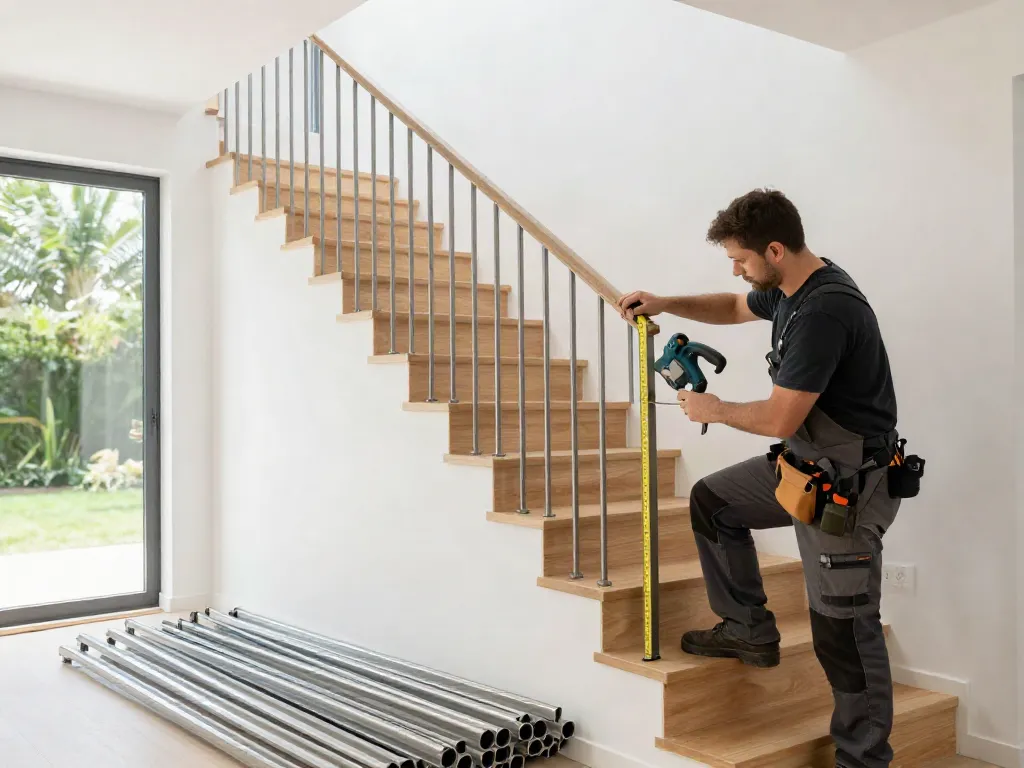
Before installation, it’s essential to prepare the area by measuring the dimensions accurately and clearing any obstacles. Homeowners should verify that the surfaces where the railings will be attached are stable and free from debris. Additionally, reviewing local building codes and guidelines will help ensure compliance during installation.
Installation Techniques and Best Practices
Following best practices ensures a secure installation. Start by marking the correct heights and positions for the railing posts, then drill holes and secure the posts with brackets. Ensure that the railings are level and spaced according to regulations. After installation, conduct a thorough inspection to confirm that all components are securely fastened.
Common Mistakes to Avoid During Installation
Common pitfalls during railing installation include neglecting to check for level alignment and failing to account for varying terrain or surface conditions. Additionally, using incorrect fasteners can compromise the structural integrity of the railings. Homeowners should take their time during the installation process to avoid these mistakes.
Future Trends in Safety Railings for 2026 and Beyond
The field of safety railings is evolving. Innovations in materials and design are shaping the future of how these structures function and appeal visually. Staying informed on trends can help homeowners make choices that enhance safety while modernizing their properties.
Innovative Technologies in Safety Railings
Innovative technologies, such as smart railings equipped with sensors, are beginning to emerge. These systems can alert homeowners or building managers to safety issues, such as pressure changes or structural weaknesses. As technology progresses, incorporating such features may become commonplace in new developments.
Design Trends Shaping the Future of Home Safety
Design trends for safety railings are moving toward minimalism, with a focus on transparency and openness. Glass railings are becoming increasingly popular for their sleek aesthetic and ability to provide safety without obstructing views. Additionally, eco-friendly materials are gaining traction, aligning design choices with sustainability goals.
Expert Insights on the Future of Safety Railings
Industry experts suggest that future safety railings will prioritize not only aesthetics but also adaptability to environmental changes. With climate change affecting weather patterns, materials that can withstand extreme conditions will become even more significant. Innovations in coating technologies will likely lead to enhanced durability and longevity for railings exposed to harsh elements.
What Are the Benefits of Custom Safety Railings?
Custom safety railings offer a unique advantage, allowing homeowners to tailor designs that fit their specific needs and aesthetic preferences. Customization can address unique architectural features, ensuring that safety railings complement the property's look while adhering to safety standards. Furthermore, custom railings can incorporate features that enhance usability, such as integrated lighting or unique grip textures.
How Can I Ensure My Railings Meet Future Safety Standards?
To ensure that safety railings meet current and future standards, homeowners should stay informed about local building codes and regulations. Regular inspections and maintenance will also help keep railings in good condition, addressing any wear or damage that could compromise safety. Consulting with professional contractors familiar with the latest regulations can provide valuable guidance in maintaining compliance.