
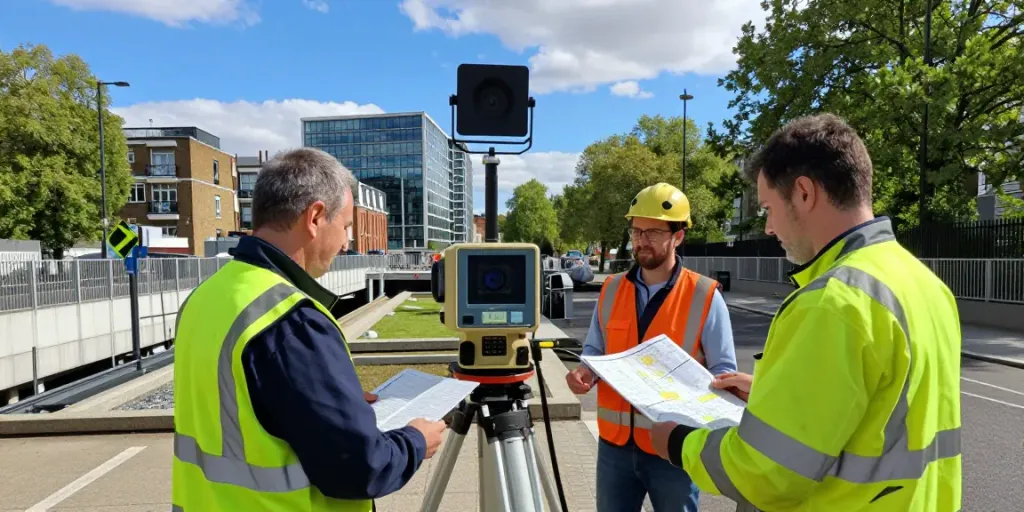
Understanding Utility Surveys: Definition and Importance
In the dynamic urban landscape of London, utility surveys have become indispensable for property developers, architects, and engineers. These surveys are essential for identifying the location and condition of underground utilities, which is crucial for any construction or renovation project. As cities evolve, the integration of technology in surveying practices offers new opportunities for enhancing safety and efficiency. When exploring options, Utility Survey London provides comprehensive insights tailored to the specific needs of each project.
What is a Utility Survey?
A utility survey is a systematic process that involves detecting, mapping, and recording the position and condition of underground services such as water pipes, electricity cables, gas lines, and telecommunications infrastructure. These surveys utilize advanced technologies like Ground Penetrating Radar (GPR) and electromagnetic locating techniques to ensure the accurate identification of utility locations. By employing these modern methodologies, surveyors can create detailed maps that inform stakeholders of potential risks and aid in strategic planning.
Key Benefits of Utility Surveys in London
- Risk Mitigation: Identifying the exact locations of underground utilities helps prevent accidental damage during excavations, reducing the risk of costly repairs and project delays.
- Informed Decision-Making: Detailed utility maps enable better planning and design decisions, ensuring that projects comply with local regulations and safety standards.
- Enhanced Safety: By understanding the layout of underground services, construction teams can implement safer working practices that protect both workers and the public.
- Cost Efficiency: Utility surveys can save money in the long run by preventing unexpected utility strikes and the associated costs of emergency repairs.
How Utility Surveys Facilitate Urban Development
In rapidly growing urban environments like London, effective utility management is crucial for successful urban development. Utility surveys play a vital role in the planning stages of construction projects, helping developers understand the existing infrastructure and identify any potential complications. By integrating utility survey data into project planning, stakeholders can ensure that developments are executed smoothly, on time, and within budget.
Types of Utility Surveys for Modern Projects
Ground Penetrating Radar (GPR) Surveys Explained
Ground Penetrating Radar (GPR) is a non-invasive method that uses radar pulses to image the subsurface. This technology allows surveyors to detect and map the presence of underground utilities with high accuracy. GPR is particularly effective in areas where traditional surveying methods may fail, providing detailed information about the size, shape, and depth of utilities without the need for excavation. This technology has revolutionised utility surveying, making it quicker and more efficient than ever before.
Electromagnetic Utility Locating Techniques
Electromagnetic locating techniques involve transmitting an electromagnetic signal through the ground, which is then measured by a receiver to identify the location and depth of utility lines. This method is particularly useful for locating metallic pipes and cables, as the electromagnetic signal interacts with these materials, providing precise location data. When combined with GPR, electromagnetic locating techniques offer a comprehensive solution to utility mapping.
Comparison of Utility Survey Methods
When choosing a utility survey method, it is important to consider factors such as site conditions, the type of utilities present, and project requirements. Below is a comparison of common utility survey methods:
MethodProsConsGround Penetrating Radar (GPR)Non-invasive, high-resolution dataMay struggle with very deep utilities or dense materialsElectromagnetic LocatingEffective for metallic utilities, quick resultsLimited to metallic services, less effective on non-metallic utilitiesVisual InspectionLow-cost, immediate feedbackInaccurate and incomplete; relies heavily on existing knowledge
Choosing the Right Provider for Utility Survey London
Key Qualities to Look for in a Surveying Company
Selecting the right surveying company is crucial for the success of your utility survey. When evaluating potential providers, consider the following qualities:
- Experience: Look for companies with a proven track record in utility surveying, particularly in urban environments.
- Certification: Ensure the company is certified and adheres to industry standards, such as PAS128 for utility mapping.
- Technology: Choose a provider that uses state-of-the-art equipment and methodologies to ensure accurate results.
- Customer Service: A responsive and knowledgeable team is essential for addressing queries and providing support throughout the surveying process.
Understanding PAS128 Standards and Compliance
PAS128 is the British Standard for underground utility mapping, which outlines best practices for the detection, identification, and mapping of utility infrastructure. Compliance with these standards ensures that surveys are conducted accurately and reliably, providing clients with the confidence that the data can be trusted for planning and construction purposes. It is crucial to engage providers who are familiar with PAS128 and can deliver surveys that adhere to these guidelines.
Cost Factors to Consider When Hiring Surveyors
The cost of utility surveying can vary significantly based on several factors, including the size and complexity of the site, the technology used, and the specific requirements of the project. It is essential to obtain detailed quotes from multiple providers and understand what is included in their services. Considerations such as travel costs, equipment fees, and potential additional services (like reporting or mapping) should all be factored into the overall budget.
Case Studies: Successful Utility Surveys in London
Renovation Projects Benefiting from Utility Surveys
Utility surveys play a critical role in renovation projects, where understanding existing infrastructure can prevent project delays and additional costs. For example, a recent renovation of a historic building in central London uncovered previously unknown utilities, allowing the project team to adjust their plans without compromising the building's integrity. This proactive approach increased efficiency and minimized unexpected roadblocks during construction.
Utility Surveys in Infrastructure Development
Large infrastructure projects, such as the expansion of transport networks or new commercial developments, heavily rely on accurate utility surveys. A notable case was the development of a new transport hub, where comprehensive utility mapping helped identify and relocate existing utilities, thereby streamlining the construction process and ensuring compliance with safety regulations.
Lessons Learned from Previous Surveys
Analyzing past utility survey projects can provide valuable insights for future endeavors. Common lessons learned include the importance of early engagement with utility providers and stakeholders, thorough site assessments prior to the survey, and the need for clear communication among all parties involved. By applying these lessons, future projects can be approached with greater confidence and foresight.
Future Trends in Utility Surveying for 2026 and Beyond
Technological Advancements in Survey Equipment
The field of utility surveying is rapidly evolving, with ongoing advancements in technology continually improving precision and efficiency. In the coming years, we can expect increased integration of AI and machine learning in data analysis, enhanced imaging technologies, and the use of drones for aerial surveys. These innovations will not only streamline the surveying process but also provide richer data for project planning.
Impact of Smart Cities on Utility Survey Practices
As cities move towards smart infrastructure, the demand for accurate and real-time utility data is increasing. Utility surveys will play an instrumental role in facilitating the integration of smart technologies into urban planning. Surveyors will need to adapt their methods to provide data that supports the development and maintenance of smart city initiatives, ensuring they can handle the complexities of modern urban environments.
Regulatory Changes and Their Effects on Utility Surveys
Emerging regulations concerning sustainability and public safety will undoubtedly influence utility surveying practices. Surveyors must stay informed of legal requirements and ensure their methods comply with any new regulations regarding utility mapping and environmental impact assessments. Understanding these changes will be critical for surveying companies looking to remain competitive and compliant in a shifting landscape.
What Should Homeowners Know?
Homeowners should be aware of the importance of utility surveys, especially when considering renovations or extensions. Understanding the location and condition of underground services can save time, money, and effort in the long run. Seeking professional guidance on utility surveys can provide peace of mind and ensure compliance with local regulations.
How to Prepare for a Utility Survey?
Preparation for a utility survey involves several steps:
- Review site plans and any existing utility maps.
- Consult with local utility providers to obtain relevant information.
- Clear the site of any obstructions that may impede survey access.
- Inform stakeholders about the survey schedule and its objectives.
Common Misconceptions about Utility Surveys
Despite their significance, utility surveys are often misunderstood. A common misconception is that they are only necessary for large construction projects, when in reality, any project involving ground disturbance can benefit from a utility survey. Another myth is that utility surveys are a one-size-fits-all solution; different projects may require tailored approaches for maximum effectiveness.
What are the Best Practices for Utility Surveys?
To maximise the effectiveness of utility surveys, adhering to best practices is crucial. This includes conducting thorough site assessments, employing multiple detection techniques, maintaining up-to-date technology, and ensuring clear communication with all stakeholders. Following these practices can lead to more accurate and comprehensive survey results.
How Long does a Utility Survey Typically Take?
The duration of a utility survey can vary based on several factors, including the size of the site, the complexity of the utility infrastructure, and the chosen surveying methods. Typically, a survey can take anywhere from a few hours for smaller sites to several days for larger, more complex areas. Early planning and coordination with the surveying team can help ensure timely execution.
What is the Cost of a Utility Survey in London?
The cost of utility surveys in London can vary widely, influenced by factors such as location, project scope, and specific requirements. Generally, costs can range from a few hundred to several thousand pounds. It is advisable for clients to obtain detailed quotes and clarify what is included in the price to ensure transparent budgeting.